Understanding Ductless AC Technology
Ductless air conditioning (AC) systems are revolutionizing the way we think about cooling and heating our homes. Traditional HVAC systems rely heavily on ductwork to distribute air throughout a space, which can be inefficient and cumbersome, especially in older homes or additions. Ductless systems, on the other hand, are compact, flexible, and can provide both heating and cooling without the need for extensive ductwork. Whether you're upgrading your current system or looking to install a new unit, understanding how ductless AC works is essential. When exploring options, ductless ac provides comprehensive insights into the latest technology and efficiency ratings.
What is Ductless AC?
Ductless AC systems, also known as mini-split systems, are versatile units that consist of an outdoor compressor and one or more indoor air-handling units. Unlike traditional central air systems that require ductwork, ductless systems enable homeowners to control the temperature of individual rooms or zones, allowing for customized comfort. They are particularly beneficial in spaces where traditional ducting is impractical, such as converted attics, garages, or room additions.
How Ductless Systems Work
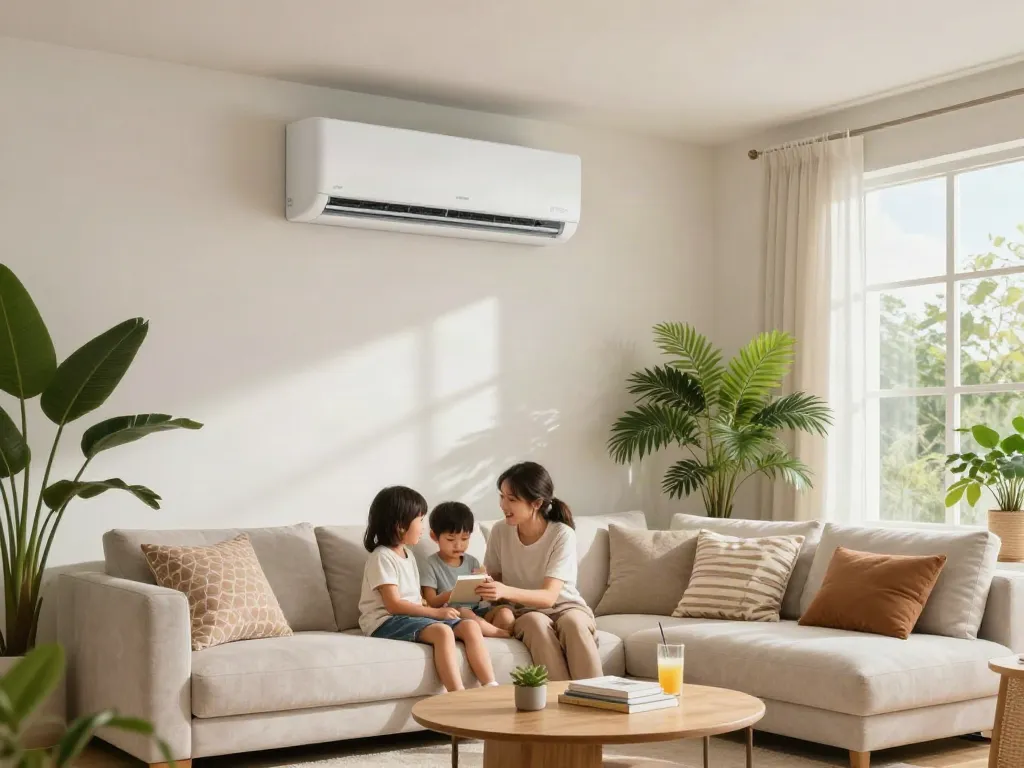
The functionality of ductless AC lies in its simplicity: it uses refrigerant lines to connect the outdoor compressor to the indoor units. Each indoor unit is typically mounted high on the wall, where it can efficiently distribute cool or warm air throughout the room. In cooling mode, the refrigerant absorbs heat from the indoor air and transfers it outside; in heating mode, the process reverses, allowing the system to provide warmth when needed. This flexibility makes ductless systems an excellent choice for diverse environments.
Benefits of Ductless AC Over Traditional Systems
- Energy Efficiency: Ductless systems are generally more energy-efficient than traditional HVAC systems. They avoid the energy loss associated with ductwork, which can account for up to 30% of energy usage in conventional systems.
- Flexible Installation: Ductless AC units can be installed in virtually any space, providing options for homeowners with unique layouts.
- Individual Zone Control: With multiple indoor units connected to a single outdoor unit, users can control the temperature in different areas of the home independently.
- Quiet Operation: Ductless systems are known for their quiet operation, thanks to the outdoor compressor unit and the placement of indoor units away from living spaces.
Choosing the Right Ductless AC System
When selecting a ductless AC system, it's essential to consider several key factors to ensure you choose the best solution for your specific needs. With a variety of brands and models available, understanding the features that matter most can make a significant difference in your home's comfort and energy efficiency.
Key Features to Look For
- SEER Rating: The Seasonal Energy Efficiency Ratio (SEER) rating indicates the cooling efficiency of the unit. Look for systems with a SEER rating of at least 16 for optimal performance.
- Heating Capability: Many ductless systems can also provide heating. Look for models that offer a good heating capacity, especially if you live in colder climates.
- Smart Technology: Some models come equipped with Wi-Fi capabilities, allowing you to control your system remotely through smartphone apps.
- Noise Levels: Check the decibel ratings of the indoor units to ensure they operate quietly, especially in bedrooms or workspaces.
Top Brands in the Ductless AC Market
Several reputable brands dominate the ductless AC market, each offering unique features and benefits. Brands such as Mitsubishi, Fujitsu, Daikin, and LG are known for their reliability, energy efficiency, and advanced technology. It’s advisable to read reviews and compare models to find the best fit for your home.
Understanding Energy Efficiency Ratings
Energy efficiency is a critical consideration when selecting a ductless AC system, as it directly affects your utility bills and environmental impact. In addition to SEER ratings, familiarize yourself with the Heating Seasonal Performance Factor (HSPF) for systems that also provide warmth. Higher ratings typically mean better efficiency and savings over time.
Installation Process for Ductless AC
Installing a ductless AC system is generally straightforward, but careful planning and execution are crucial for optimal performance. Understanding the installation process can help you prepare for a smoother transition to your new cooling system.
Pre-Installation Considerations
- Site Assessment: Assess where the indoor and outdoor units will be placed, ensuring proper access and clearance for installation and maintenance.
- Electrical Requirements: Verify that your electrical system can handle the new unit's load and ensure that a dedicated circuit is available.
- Permits: Check with local building regulations to see if any permits are required for installation.
Step-by-Step Installation Guide
- Install the outdoor unit: Choose a stable location on the ground or a wall bracket that's level and provides adequate airflow.
- Mount the indoor units: Securely attach the indoor units to your chosen walls, ensuring that each unit is properly leveled.
- Connect refrigerant lines: Run the refrigerant lines and electrical wiring between the indoor and outdoor units, ensuring all connections are secure and insulated.
- Test the system: Once everything is connected, turn on the system to check for proper operation and any refrigerant leaks.
Common Installation Mistakes to Avoid
- Improper placement of units can lead to inefficient cooling or heating.
- Failing to ensure proper insulation of refrigerant lines can result in energy loss.
- Not following manufacturer guidelines can void warranties and affect system performance.
Maintenance Tips for Ductless AC Units
Regular maintenance is vital for the longevity and efficiency of your ductless AC system. Adhering to a maintenance routine can prevent costly repairs and ensure consistent performance throughout its lifespan.
Regular Maintenance Routines
- Filter Cleaning: Clean or replace filters every 1-3 months to maintain airflow and efficiency.
- Inspect and Clean Coils: Check the outdoor and indoor coils for dirt and debris, and clean them as necessary to ensure effective heat exchange.
- Check Drains: Ensure the condensate drain is free of obstructions to avoid water damage and inefficiencies.
Signs of Ductless AC Malfunction
Being aware of the common signs that indicate your ductless AC may need servicing is critical. Look for the following issues:
- Inconsistent temperatures across different zones.
- Strange noises coming from the indoor or outdoor units.
- Increased energy bills without a change in usage patterns.
When to Call a Professional Technician
If you encounter persistent issues, such as refrigerant leaks, electrical problems, or if the unit fails to operate altogether, calling a professional technician is essential. They have the expertise to diagnose and repair complex issues safely and effectively.
Future Trends in Ductless AC Systems
The ductless AC industry is continuously evolving, with innovations that enhance efficiency, comfort, and convenience. Understanding these trends can help homeowners make informed decisions for their cooling needs.
Innovations in Ductless Technology for 2026
Emerging technologies in ductless AC systems include advanced inverter technology, which allows for variable refrigerant flow, thereby increasing efficiency. Furthermore, integration with smart home systems is becoming increasingly common, allowing users to monitor and control their systems remotely.
Impact of Smart Home Integration
Smart home integration is redefining how we interact with our cooling systems. Many modern ductless units come equipped with smart technology that enables homeowners to adjust thermostat settings, create schedules, and monitor energy usage through smartphone applications.
Environmental Considerations and Sustainability
As environmental awareness grows, ductless systems are becoming more eco-friendly, with manufacturers focusing on developing refrigerants with lower Global Warming Potential (GWP). Furthermore, these units often utilize energy-efficient technologies that contribute to reduced carbon footprints.
What is the average cost of installing a ductless ac?
The average cost of installing a ductless AC system can range from $3,000 to $7,000, depending on the complexity of the installation and the number of indoor units required. It's advisable to obtain multiple quotes to compare pricing and services.
How energy-efficient are ductless ac systems?
Ductless AC systems are highly energy-efficient, typically boasting SEER ratings of 16 or higher. Their design eliminates energy loss associated with ductwork, leading to substantial savings on energy bills.
Can ductless ac units provide both heating and cooling?
Yes, most ductless AC units are capable of both heating and cooling, making them versatile solutions for year-round comfort.
What maintenance is required for ductless ac systems?
Routine maintenance includes cleaning or replacing filters, inspecting coils, and checking for clogs in the condensate drain. Regular professional servicing is also recommended to maintain optimal performance.
How do ductless ac units compare to window units?
Ductless AC units generally offer superior performance, energy efficiency, and aesthetics compared to window units. While window units may be more affordable initially, they often lack the ability to efficiently cool multiple rooms and can be less aesthetically pleasing.